

Minimal geometric tattoos have a quiet power. Clean lines, balanced shapes, and intentional spacing can say more than complex designs ever could. The beauty lies in precision and restraint—every line matters, every angle counts.
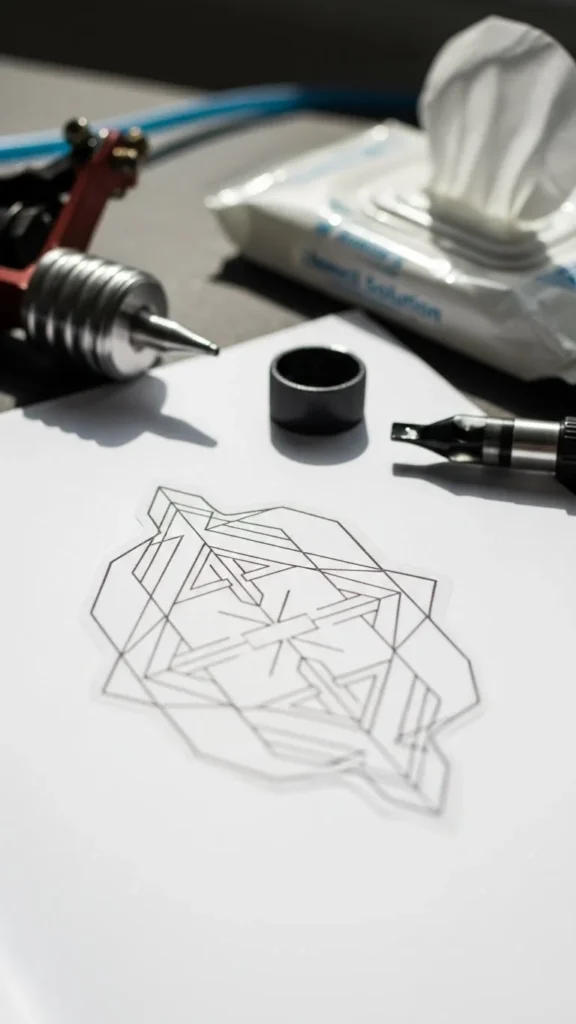
If you’ve ever admired perfectly balanced triangles, circles, or line-based symbols and wondered how artists make them look so flawless, you’re in the right place. Let’s break the process down step by step so you can understand what truly makes minimal geometric tattoos work.
Understand the Core of Minimal Geometry
Before drawing anything, it’s important to understand what makes geometric tattoos different from other styles.
Minimal geometric tattoos rely on:
- Symmetry – both sides mirror or balance each other
- Simple shapes – circles, triangles, lines, dots
- Negative space – empty areas are just as important as ink
- Consistency – line weight and spacing must match throughout
This style doesn’t hide mistakes. Clean geometry puts everything on display, which is why planning matters more than speed.
Think of it as visual math. When things line up, the design feels calming and intentional.
Choose the Right Shape (and Stick to It)
One common mistake beginners make is mixing too many shapes too quickly.
Start simple:
- Circles for harmony and flow
- Triangles for structure and strength
- Straight lines for balance and direction
- Dots for subtle accents
Pick one primary shape and build from there. Minimal designs feel strongest when they commit to a single visual idea instead of layering multiple concepts.
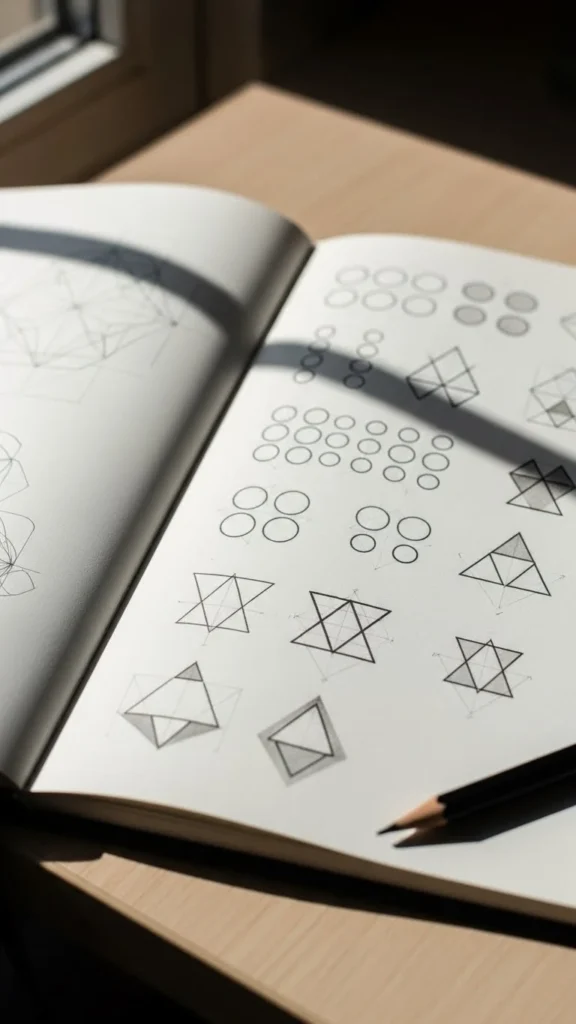
A helpful trick is repetition. Repeating the same shape creates rhythm and symmetry without adding clutter.
Use Guidelines to Lock in Symmetry
Perfect symmetry rarely happens freehand.
Professional artists rely on:
- Center lines
- Grid overlays
- Compass tools
- Rulers and digital guides
Start by drawing a vertical or horizontal center line. Everything else should relate back to that anchor. If one side moves, the other must follow.
Digital tools can help here, especially during the design phase. Mirroring features allow you to test balance instantly before committing to ink.
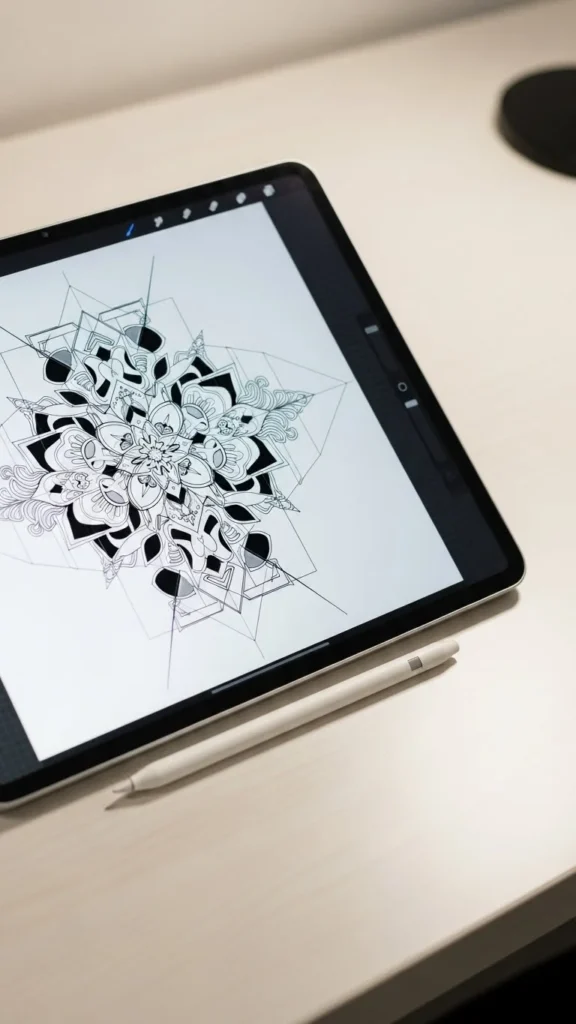
Even when working on paper, lightly sketch guidelines first. You can erase them later, but they’ll save you from uneven spacing early on.
Focus on Line Weight and Spacing
Minimal tattoos live and die by line quality.
Keep these tips in mind:
- Use one consistent line weight throughout the design
- Avoid tapering unless it’s intentional
- Keep equal spacing between repeated elements
- Leave breathing room around the design
Thicker lines feel bold but can overpower small designs. Ultra-thin lines feel elegant but demand precision. Choose one and stay consistent.
Spacing is just as important. Crowded geometry loses its calm effect. When in doubt, spread elements slightly farther apart than you think you need.
Match the Design to Body Placement
Symmetry doesn’t exist in isolation—it interacts with the body.
Flat areas like:
- Forearms
- Upper backs
- Calves
- Sternum
These areas naturally support symmetrical designs.
Curved areas require adjustment. A design that looks perfectly balanced on paper may distort when wrapped around skin. Always test placement with a stencil and check it from multiple angles.
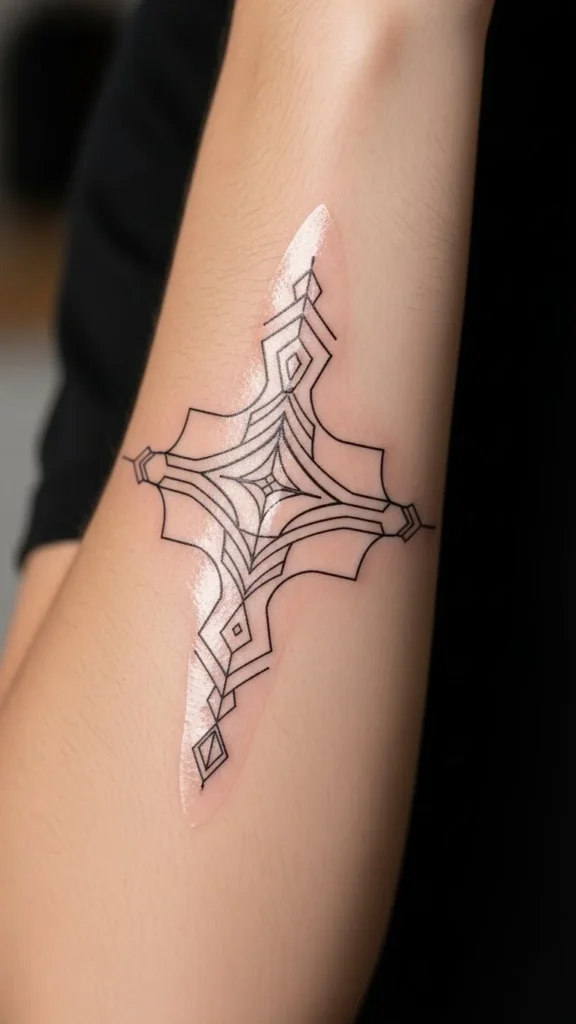
The goal is visual balance, not mathematical perfection.
Keep It Minimal All the Way Through
The hardest part of minimal design is knowing when to stop.
Before finalizing, ask yourself:
- Does this extra line add meaning?
- Would the design feel cleaner without it?
- Is the symmetry still obvious at a glance?
If something feels unnecessary, it probably is.
Minimal geometric tattoos work because they feel intentional, calm, and confident. Removing one line can often make the entire piece stronger.
Final Touches and Long-Term Thinking
Minimal tattoos age differently than detailed ones. Clean lines tend to hold up better over time, but only if they’re done thoughtfully.
Consider:
- Slightly thicker lines for longevity
- Avoiding overly tight spacing
- Keeping designs clear at small sizes
A well-executed geometric tattoo should still look balanced years later, not just on day one.
Final Takeaway
Creating minimal geometric tattoos with perfect symmetry is all about planning, patience, and restraint. Simple shapes, strong guidelines, consistent lines, and thoughtful placement make all the difference.
Whether you’re designing for yourself or studying the style, remember: minimal doesn’t mean easy—it means intentional.
Save this guide for later, sketch a few shapes, and start building symmetry one clean line at a time.

Leave a Reply