

A rib tattoo is often a striking piece of body art that can be both personal and visually captivating. Whether you’re considering your first tattoo or you’re a seasoned collector, the ribs provide a bold yet intimate canvas for tattoo designs. The challenge is not just choosing the design but also ensuring that the tattoo is perfectly placed, complementing your body’s natural lines and contours.
In this guide, we’ll walk you through the steps to plan a simple rib tattoo that fits seamlessly with your body, offering tips on design, placement, and aftercare.
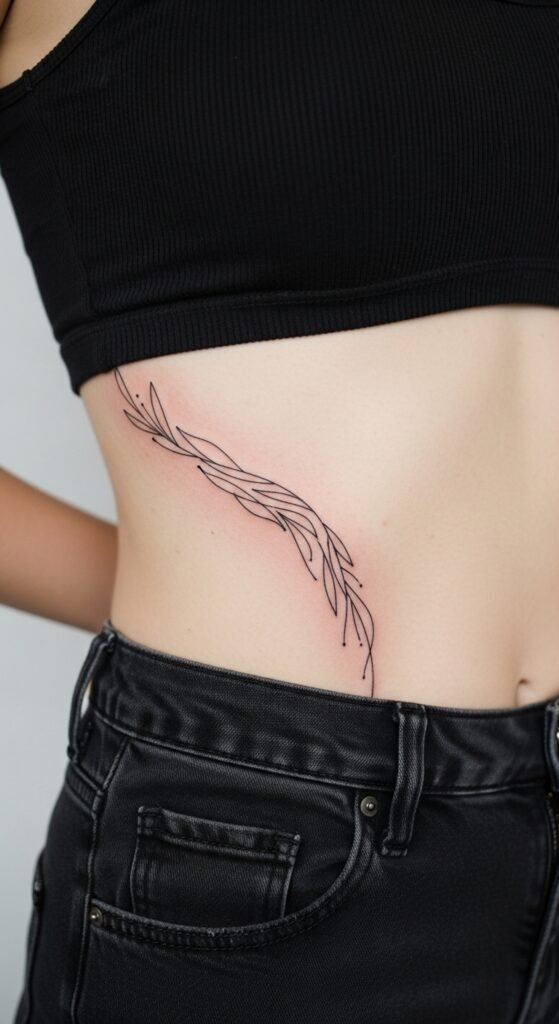
Choosing the Right Design for Rib Tattoos
The first step in planning your rib tattoo is selecting a design that works well with the space and shape of your ribs. Rib tattoos are ideal for long, vertical designs, as they follow the length of the torso. Some of the most popular choices include:
- Floral patterns: Simple flowers, vines, or even minimalist leaves work beautifully on the ribs. These designs can wrap around the ribcage, creating an elegant and flowing look.
- Geometric shapes: Lines, dots, and minimalist geometric patterns often look great when placed along the ribs, as they emphasize the body’s natural structure.
- Quotes or lettering: A short phrase or single word can be perfect for a rib tattoo. Make sure the text is simple and easy to read, without overcrowding the space.
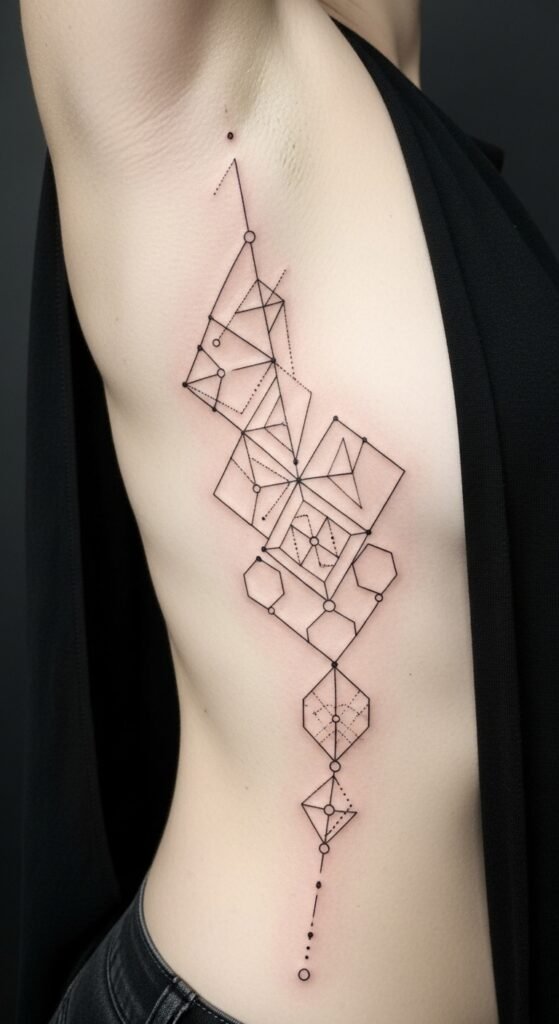
Tip: Keep It Simple
When designing a rib tattoo, simplicity is key. The ribs are a relatively narrow area, and overly complex designs may end up looking crowded. A minimalist tattoo or a design that can stretch across the ribs in a sleek, subtle way often works best.
Considering Placement and Size
The placement of your rib tattoo will depend on the design you’ve chosen and how it fits with the natural lines of your body. Here are a few considerations:
- Side ribs: This is the most common area for rib tattoos. A tattoo placed along the side of the ribs can extend from the front of your body, near your stomach, to your back, creating a beautiful, elongated shape.
- Upper ribs: For a more discreet look, consider placing your tattoo on the upper portion of the ribs, closer to the chest. This can create a more subtle but still striking design.
- Lower ribs: This area is perfect for smaller, more delicate designs. A small symbol or word placed along the lower ribs can be both meaningful and visually balanced.
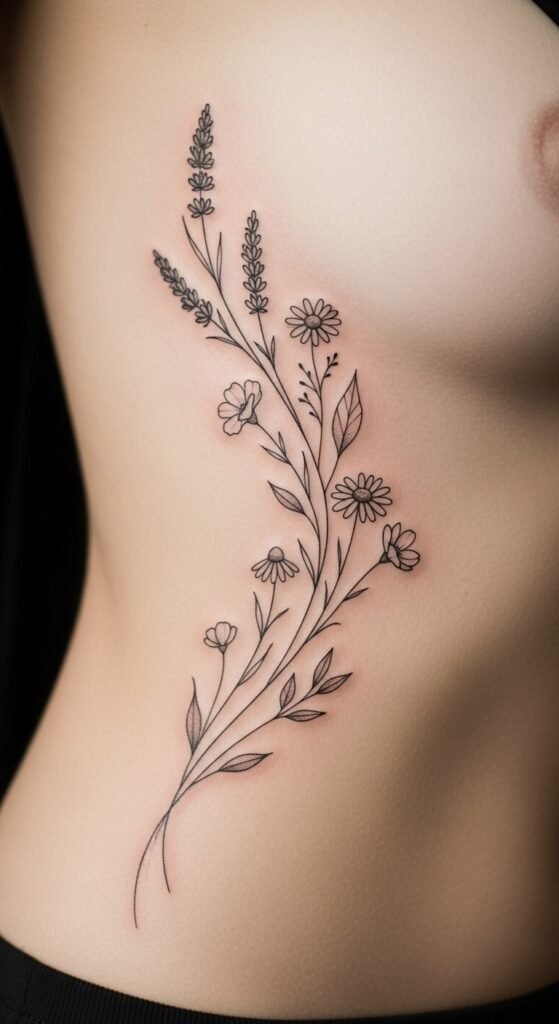
Tip: Avoid Overcrowding the Space
When placing your tattoo, be mindful of how much of your ribcage you want to cover. Some people prefer a small tattoo placed on a single spot, while others might want a larger design that stretches along the ribs. It’s important to leave enough space between the tattoo and your body’s natural curves to avoid making the tattoo look too cramped or unnatural.
Preparing for the Pain
Rib tattoos are known for being quite painful due to the sensitive skin and lack of muscle or fat in the area. However, there are a few ways to prepare for the experience:
- Mental Preparation: Understand that the pain is temporary and varies depending on the tattoo’s size and complexity. Breathing through the pain and focusing on the end result can help make the process more manageable.
- Pain Relief: While pain management options like numbing creams exist, it’s important to consult with your tattoo artist before using them. They may have specific recommendations based on your skin type and the design.
- Rest and Hydration: Make sure you are well-rested and hydrated before getting your tattoo. This will help with both your pain tolerance and the healing process.
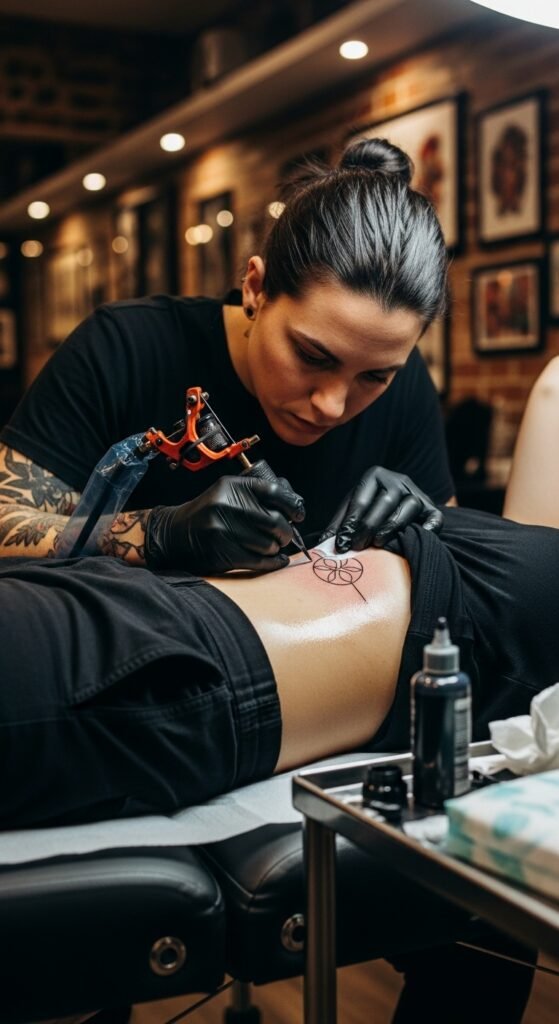
Tip: Take Breaks During Your Session
If you’re getting a larger rib tattoo, don’t hesitate to ask for breaks. Your artist will be understanding, and taking a few moments to stretch and breathe will help you stay relaxed and make the experience more bearable.
Aftercare Tips for Rib Tattoos
After getting a rib tattoo, proper aftercare is essential to ensure it heals well and retains its beauty. Here’s what you need to know:
- Follow your artist’s instructions: Every tattoo artist may have their own aftercare recommendations, so be sure to follow them closely.
- Keep it clean: Wash the tattoo gently with mild soap and water. Avoid scrubbing it, as this could irritate the skin.
- Apply a healing ointment: Once the tattoo is clean and dry, apply a thin layer of a tattoo aftercare ointment to keep the skin moisturized and promote healing.
- Avoid tight clothing: For rib tattoos, it’s essential to avoid wearing tight clothing that rubs against the tattoo. Opt for loose, breathable fabrics to reduce irritation during the healing process.
- Sun protection: After the tattoo has healed, be sure to apply sunscreen when exposed to sunlight to prevent fading.
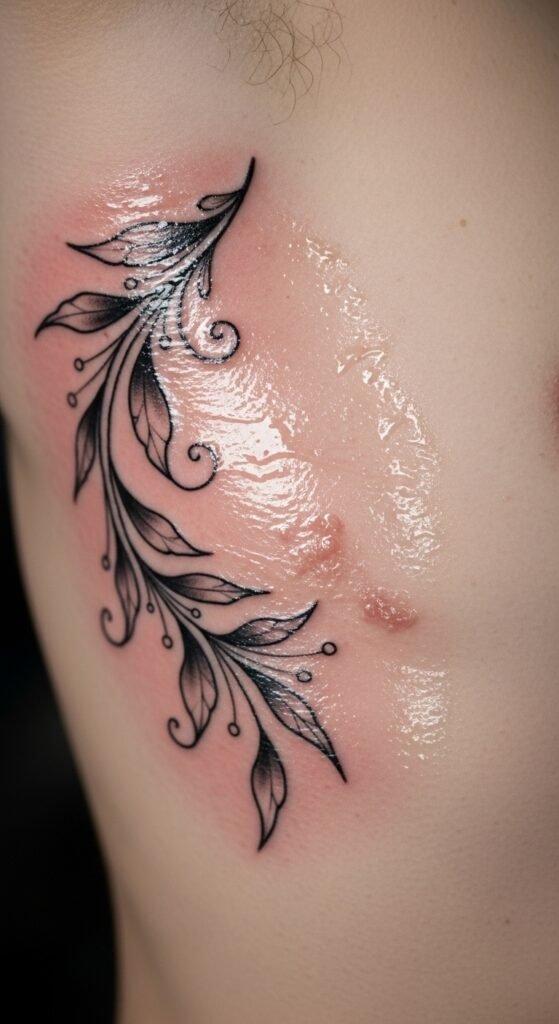
Tip: Patience is Key
Rib tattoos can take a bit longer to heal due to the delicate skin in this area. Be patient and resist the urge to scratch or pick at the tattoo as it heals. Proper aftercare will ensure that your tattoo stays vibrant for years to come.
Conclusion
Planning a simple rib tattoo requires careful consideration of design, placement, and aftercare. By choosing a design that complements your body’s natural lines, positioning it correctly, and following proper aftercare, you can ensure that your rib tattoo looks perfectly placed and heals beautifully. Remember, simplicity and subtlety often create the most striking results.
Ready to take the plunge? A rib tattoo could be the perfect addition to your body art collection—just remember to take your time, and enjoy the process!

Leave a Reply