

Fine-line tattoos look effortless when they’re fresh—but the real magic is how they heal. Clean healing is what keeps delicate lines crisp, prevents blowouts, and preserves that airy, minimalist feel over time. Whether you’re a beginner artist or someone planning their first fine-line piece, understanding the process from design to aftercare makes all the difference.
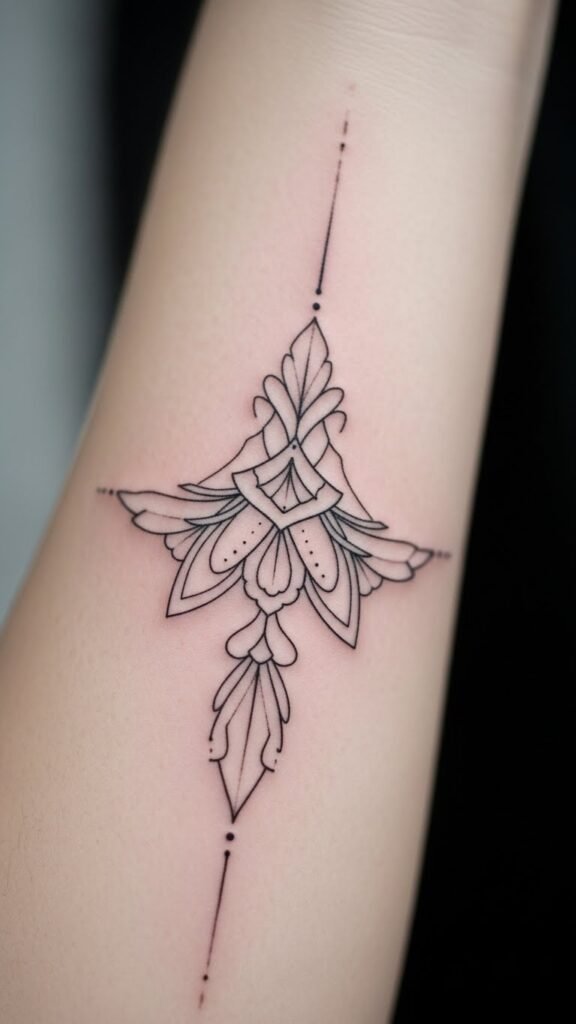
Below is a simple, step-by-step guide to creating fine-line tattoos that heal smoothly and stay beautiful.
Understand What Makes Fine-Line Tattoos Different
Fine-line tattoos rely on precision, not pressure. Because the lines are thinner, there’s less room for error—and less ink sitting in the skin.
Key differences to keep in mind:
- Lines are lighter and more delicate
- Ink depth must be shallow and controlled
- Healing depends heavily on technique and aftercare
Unlike bold traditional work, overworking the skin even slightly can cause fading, spreading, or patchy healing. The goal is clean lines with minimal trauma.
Start With a Skin-Friendly Design
Not every design works well as a fine-line tattoo. Simple choices heal better and age more gracefully.
Look for designs with:
- Open spacing between lines
- Minimal overlap or tight corners
- Clean, intentional strokes
Tiny details packed too closely can blur during healing. If you’re unsure, slightly increase the size or simplify the design. Subtle adjustments now prevent disappointment later.
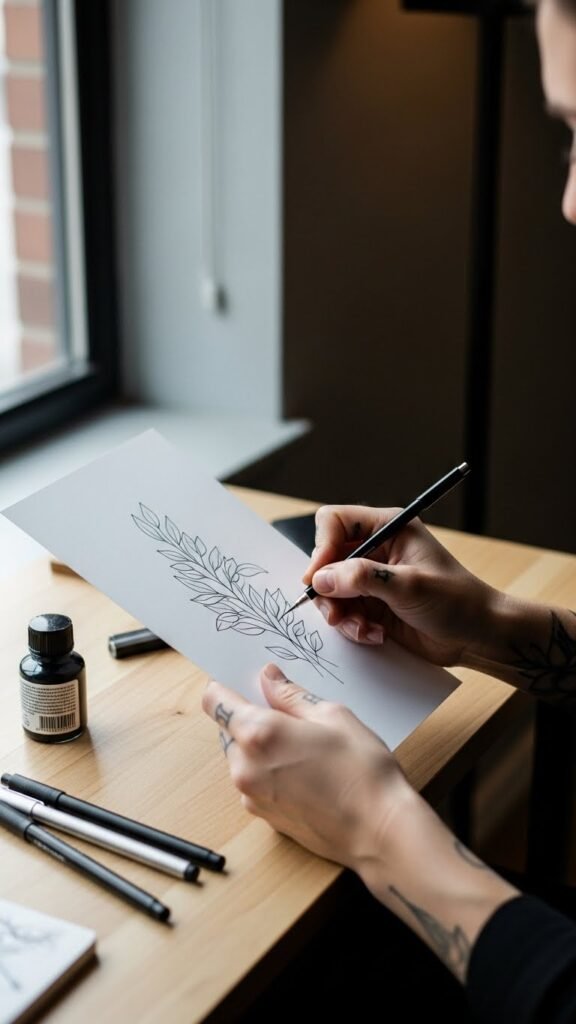
Pro tip: When in doubt, test the design on paper at actual tattoo size. If it feels cramped on paper, it will feel worse on skin.
Use the Right Tools and Setup
Fine-line tattoos require consistency. Your tools should support control, not fight it.
Essentials that matter most:
- Single-needle or tight needle groupings
- Smooth-running machine with low vibration
- Fresh, high-quality ink
Set your machine to a lower voltage than you’d use for bold lining. This helps prevent over-penetration and reduces skin stress.
Also, stretch the skin gently but evenly. Uneven tension leads to shaky lines and inconsistent depth.
Focus on Gentle, Confident Linework
This is where most healing issues begin—or are avoided.
When tattooing fine lines:
- Move steadily, not slowly
- Use light pressure and trust the needle
- Avoid going over the same line repeatedly
One clean pass is better than multiple touch-ups during the session. Overworking causes redness, swelling, and scabbing—all enemies of clean healing.
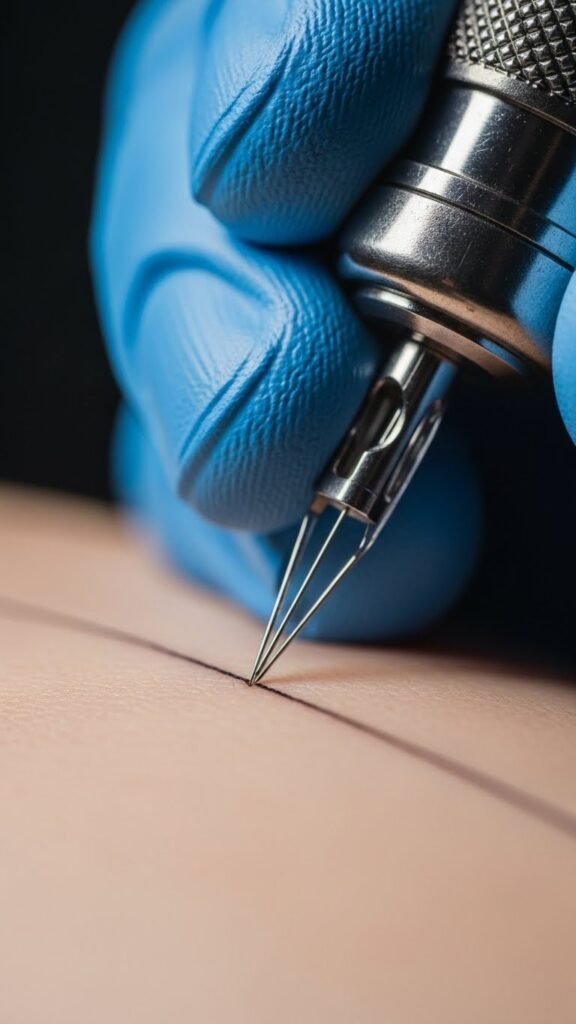
If a line isn’t perfect, note it for a future touch-up rather than fixing it immediately. Healing skin behaves better than irritated skin.
Keep the Session Short and Focused
Long sessions increase skin fatigue, especially for fine-line work.
To protect healing:
- Break large designs into shorter sessions
- Pause if the skin looks overly red or shiny
- Avoid layering lines too closely in one sitting
Fresh skin heals faster and holds detail better. Short, intentional sessions often produce cleaner results than marathon appointments.
Apply Proper Aftercare Immediately
Clean healing depends as much on aftercare as technique.
Right after the session:
- Clean gently with lukewarm water
- Apply a thin layer of fragrance-free aftercare
- Cover if recommended by the artist
For the first few days:
- Keep the tattoo clean and lightly moisturized
- Avoid tight clothing and friction
- Do not pick or scratch
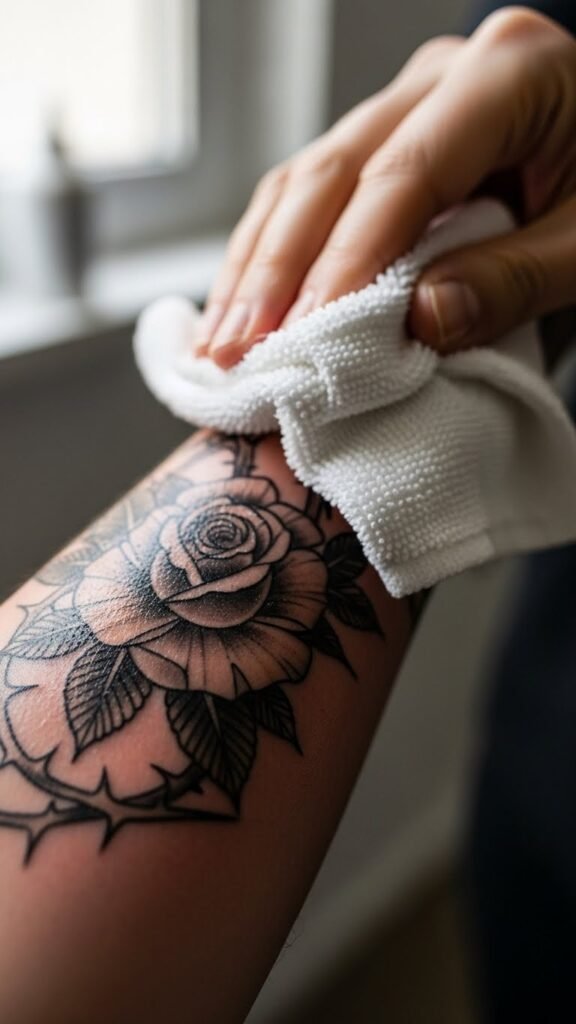
Fine-line tattoos can look faint during healing. This is normal. Resist the urge to over-moisturize or touch constantly.
Watch the Healing Stages Carefully
Understanding what’s normal helps prevent panic.
Typical fine-line healing looks like:
- Days 1–3: mild redness and tenderness
- Days 4–7: light flaking, minimal scabbing
- Weeks 2–4: lines settle and sharpen
Because fine-line tattoos use less ink, they may appear lighter after healing. A planned touch-up at 6–8 weeks is common and expected.
Plan for Long-Term Care
Clean healing doesn’t stop after the first month.
To preserve fine lines:
- Keep skin hydrated
- Protect the tattoo from sun exposure
- Avoid harsh exfoliation over the area
Healthy skin supports crisp lines for years. Fine-line tattoos age best when the skin is treated gently and consistently.
Final Takeaway
Creating fine-line tattoos that heal cleanly is all about restraint—light pressure, smart design, gentle technique, and thoughtful aftercare. When each step works together, the result is a tattoo that looks soft, intentional, and beautifully healed.
Save this guide for your next fine-line tattoo session—and come back to it whenever you need a clean-healing reminder.

Leave a Reply