

Minimal dotwork tattoos look effortless at first glance—but anyone who’s tried them knows they demand patience, control, and a sharp eye for detail. Every tiny dot matters. One misplaced mark can throw off the balance of the whole design. The good news? With the right approach, dotwork becomes calming, methodical, and incredibly rewarding.

If you love clean lines, subtle shading, and tattoos that whisper instead of shout, dotwork is your perfect match. Let’s walk through how to draw minimal dotwork tattoos with precision—step by step.
Understand What Makes Dotwork “Minimal”
Before putting pen to paper, it helps to understand what separates minimal dotwork from heavier styles.
Minimal dotwork focuses on:
- Negative space instead of solid fills
- Consistent spacing between dots
- Simple shapes like circles, lines, moons, stars, or symbols
- Soft gradients created by dot density, not size
Precision matters more than complexity. Fewer dots mean each one is more visible, so control is everything.
Gather the Right Tools for Clean Results
You don’t need a huge setup, but the tools you choose make a noticeable difference.
Start with these basics:
- Fine liner pens (0.3 or 0.5 work well)
- Smooth, heavyweight paper
- A pencil for light sketching
- A ruler or compass for geometry
- Good lighting to reduce eye strain
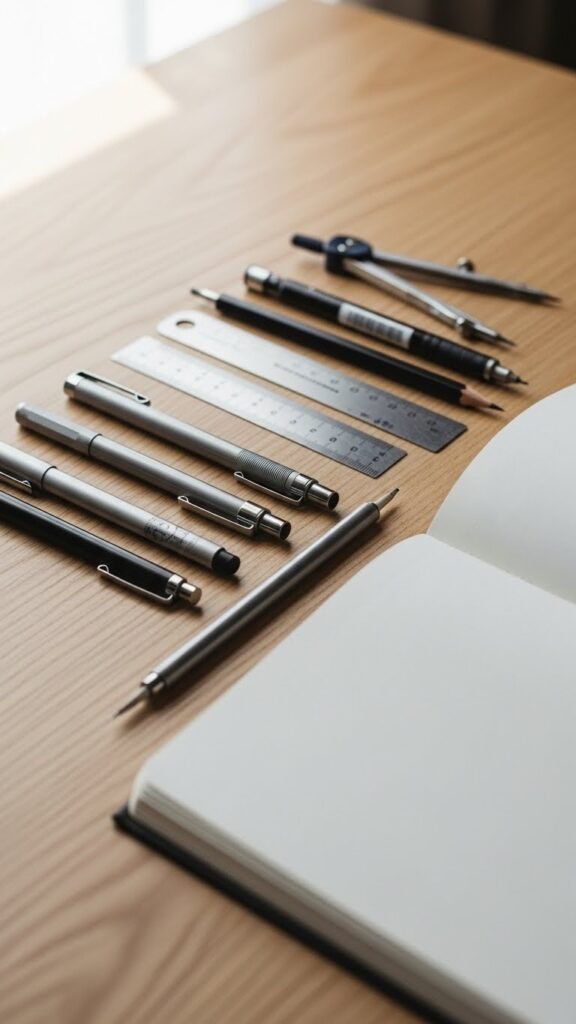
Avoid rough paper—it can cause ink to bleed and dots to look fuzzy. Smooth surfaces keep dots crisp and uniform.
Plan the Design Before You Start Dotting
Dotwork rewards preparation. Rushing straight into dots often leads to uneven spacing or awkward shapes.
Here’s a simple planning process:
- Lightly sketch the outline of your tattoo idea.
- Decide where dots should feel dense and where space should breathe.
- Mark guide points for symmetry if needed.
- Step back and check balance before inking.
Minimal designs often rely on symmetry or visual rhythm. Taking two extra minutes to plan saves a lot of frustration later.
Practice Dot Control on Scrap Paper
Dotwork precision comes from muscle memory, not pressure.
Before working on your actual design:
- Practice placing dots evenly in straight lines
- Try circular dot patterns
- Experiment with spacing to create light-to-dark transitions

Keep your hand relaxed. Press lightly and consistently. Heavy pressure creates blotchy dots that break the minimal look.
Build Dotwork Slowly and Intentionally
This is where patience pays off. Dotwork is not about speed—it’s about rhythm.
When placing dots:
- Work in small sections
- Pause often to assess spacing
- Rotate the paper instead of your wrist
- Breathe steadily to keep your hand calm
If you make a mistake, don’t panic. Minimal dotwork is forgiving. A small adjustment in nearby spacing can often rebalance the design.
Create Shading With Density, Not Size
One common beginner mistake is changing dot size to add shading. In minimal dotwork, dot size stays consistent—only spacing changes.
For soft shading:
- Close dots = darker areas
- Spread-out dots = lighter areas
- Gradual transitions feel more refined
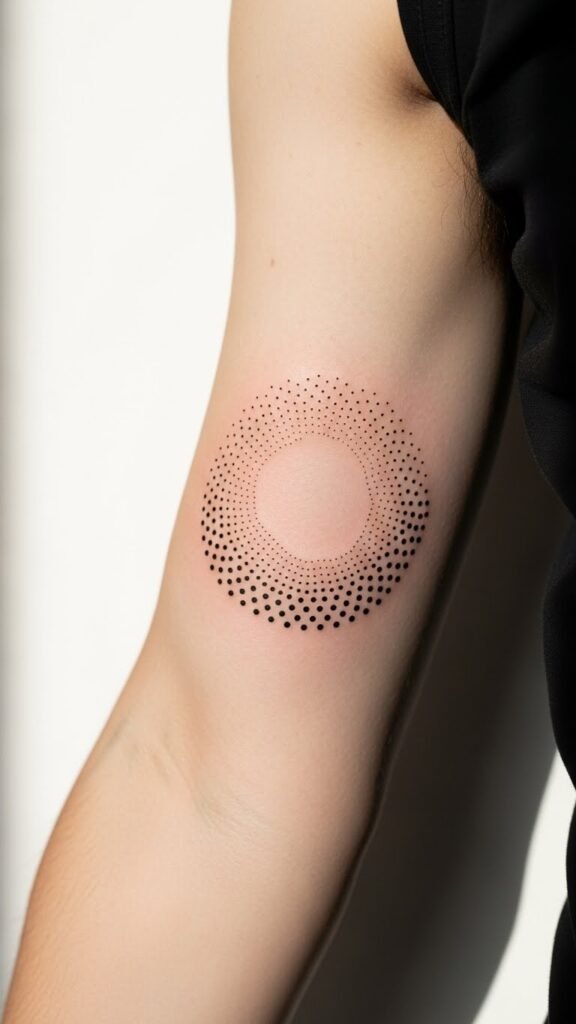
This technique keeps the tattoo looking clean and timeless instead of busy.
Refine the Design and Know When to Stop
Minimal dotwork shines when it’s not overworked.
Before adding more dots, ask yourself:
- Does this extra detail add meaning?
- Is the design still breathable?
- Would stopping now make it stronger?
Sometimes the most confident choice is leaving space untouched. Precision isn’t just accuracy—it’s restraint.
Practice With Simple Motifs First
If you’re new, start small. These motifs are perfect for learning:
- Single-line circles with dot shading
- Tiny stars or moons
- Minimal symbols
- Simple mandala centers
As your control improves, you can layer complexity without losing clarity.
Final Takeaway
Drawing minimal dotwork tattoos with precision is about slowing down, trusting the process, and respecting every tiny mark. With the right tools, thoughtful planning, and steady practice, dotwork becomes less intimidating and more meditative.
Save this guide, grab your pen, and start dot by dot—you’ll be surprised how powerful simplicity can be.

Leave a Reply