

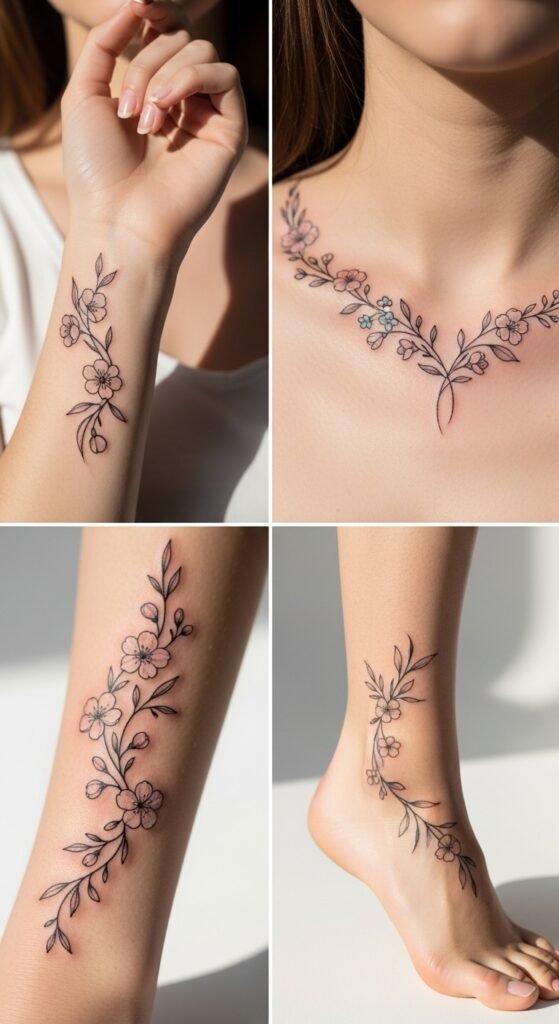
Spring vine tattoos appeal to people who love movement, softness, and meaning without heavy visuals. These designs follow the body instead of fighting it. A thin vine can wrap, trail, or curve in a way that feels calm and personal. Many people choose them for their gentle look, easy sizing, and flexible placement. They work well as a first tattoo and also blend nicely with existing ink. Below, you’ll find flowing vine tattoo ideas that suit different styles, budgets, and comfort levels—each one practical, wearable, and easy to adapt.
1. Wrist-Wrapping Ivy Vine
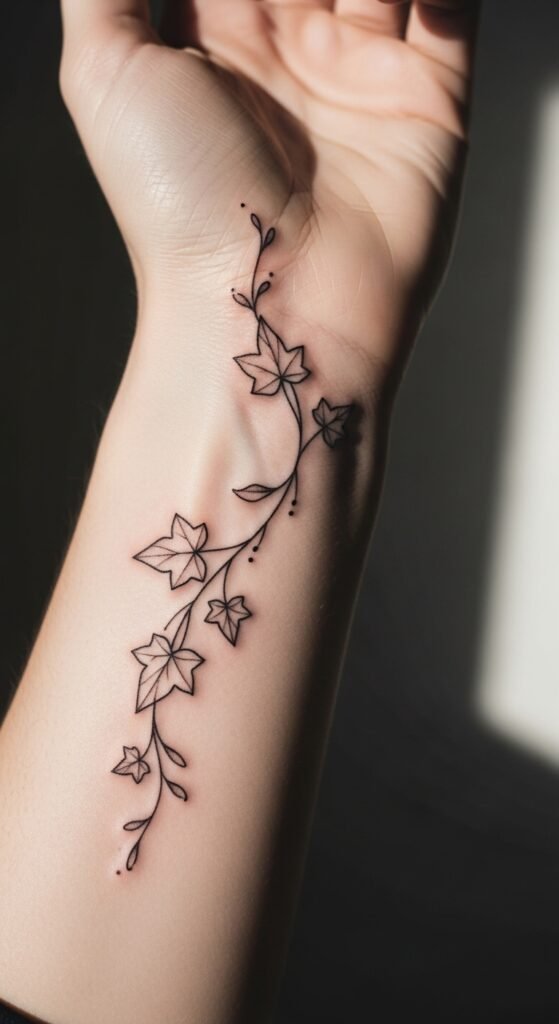
A wrist-wrapping ivy vine feels light and intentional. The thin line follows the natural curve of the wrist, which helps the design settle nicely over time. Ivy carries meaning tied to loyalty and steady growth, but many people simply like how balanced it looks. This placement works well if you want something visible yet subtle.
Short line segments keep the cost manageable. A simple outline without shading saves time in the chair. If you want to test the look, draw a vine with eyeliner and wear it for a day. That gives you a real sense of scale.
This design ages well because it avoids heavy detail. Ask for clean spacing between leaves so the tattoo stays readable. Keep the vine narrow to avoid crowding. A wrist vine also pairs well with bracelets or watches without clashing.
Healing is usually quick in this area. Stick to light aftercare and avoid tight bands early on. If you want room to expand later, leave one side open so you can add a small flower or extra leaves down the road.
2. Ankle Trail Greenery
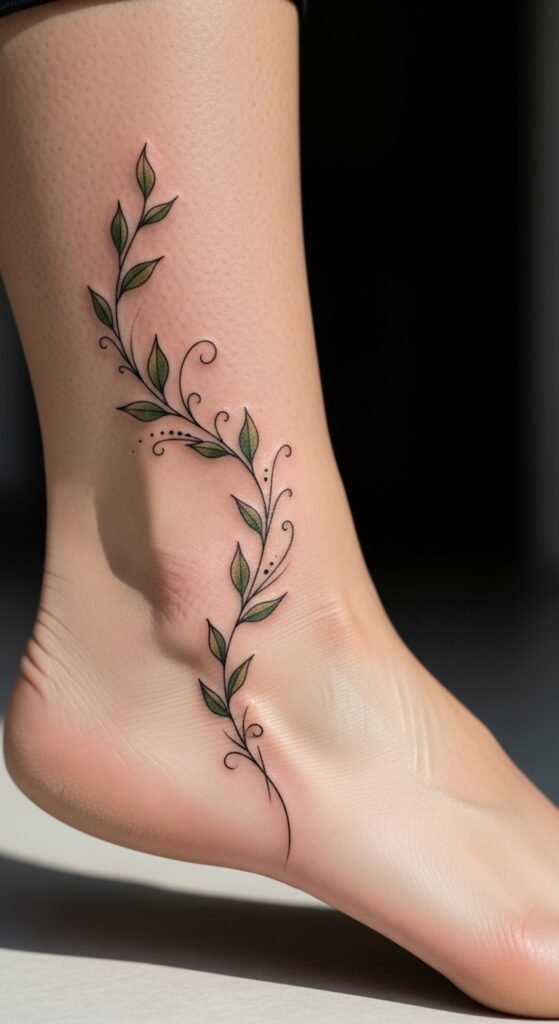
An ankle vine creates a soft trail that moves naturally with each step. This spot suits slim vines with spaced leaves. The ankle bone gives structure, helping the design stay clear instead of spreading unevenly.
Many people choose this style because it stays discreet with shoes yet shows nicely in warm weather. A basic vine outline keeps the session short and affordable. You can also choose one side of the ankle for less rubbing during healing.
If you want a personal touch, add a single leaf style you love. Maple, olive, or simple oval leaves all work well. Avoid packed clusters. Open spacing helps the design stay crisp.
This area can feel sensitive, so keeping the design simple helps with comfort. Healing takes patience since shoes can cause friction. Loose footwear helps early on.
An ankle vine also works as a base for future additions. You can extend it toward the foot or up the leg later if you want more coverage without changing the original idea.
3. Collarbone Climbing Vine
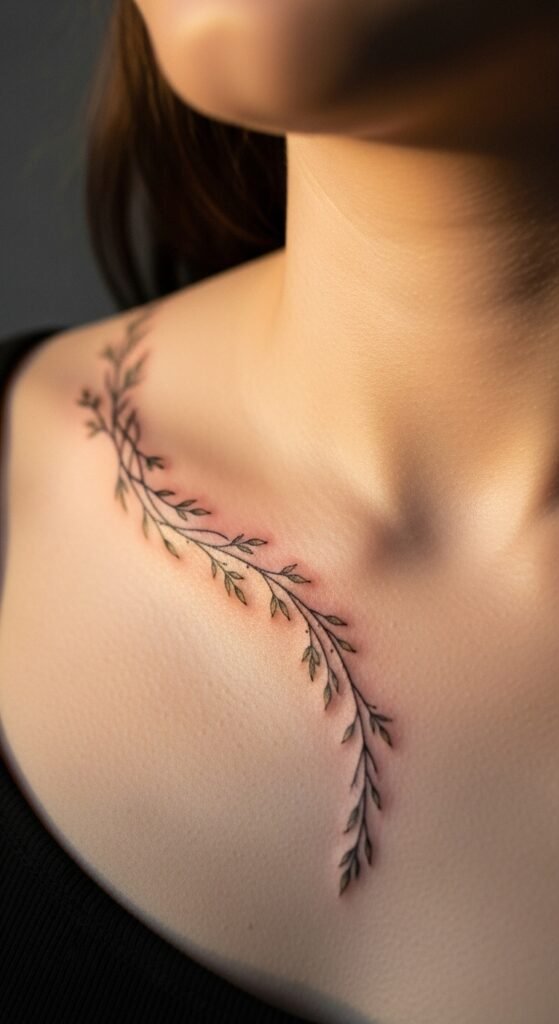
A collarbone vine feels soft and expressive without feeling heavy. The bone provides a natural guide, making the vine look intentional rather than placed. Thin linework suits this area best.
This placement flatters many body types. The vine can curve slightly upward or stretch straight across. Keeping the leaves small helps the design stay refined.
For a budget-friendly option, skip shading and stick with clean outlines. Even a short vine with three or four leaves makes an impact. You can always extend it later.
Collarbone tattoos pair well with open necklines and simple clothing. They also photograph well due to the natural lines of the body.
Healing here is usually smooth, but movement can cause mild soreness. Soft clothing helps. If you want privacy, place the vine slightly inward so it stays hidden under tops.
This design suits people who want something graceful that feels part of their natural shape rather than a bold statement.
4. Shoulder Vine Drift
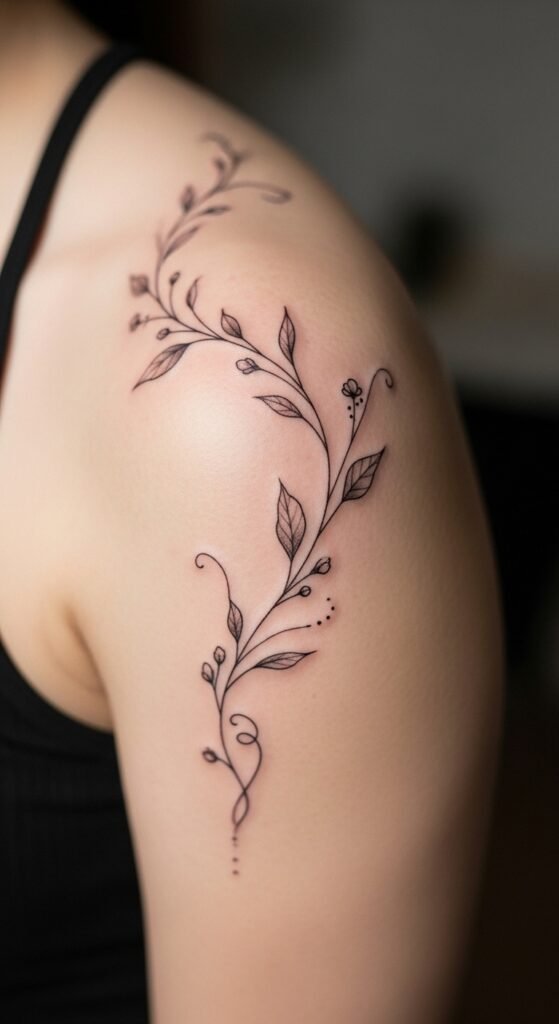
A shoulder vine drifts gently over the curve of the arm. This spot allows movement without distortion when done with light lines. The vine can wrap slightly or trail downward.
This area offers flexibility. You can keep it short or let it grow later. A simple vine keeps the cost lower and shortens the session.
If you want comfort, this spot is easier than bony areas. Healing is also simple since clothing rarely rubs directly.
A shoulder vine works well with sleeveless outfits and stays hidden when needed. It also blends easily with future designs like florals or script.
Ask your artist to follow your shoulder line rather than placing it straight. That small detail helps the tattoo feel natural.
5. Forearm Vine Path
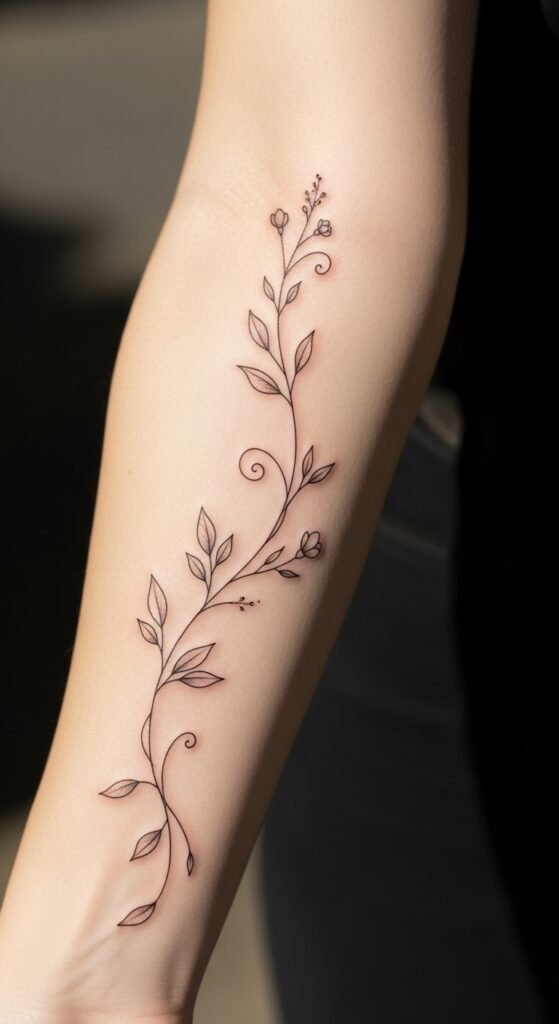
A forearm vine offers space without feeling bold. The long surface suits flowing designs that stretch naturally. This placement works well for people who enjoy seeing their tattoo daily.
Keep the vine slim so it doesn’t overpower the arm. Spaced leaves help with long-term clarity. A single-line style keeps it affordable.
You can angle the vine inward for a softer look or keep it straight for balance. Both options age well when kept simple.
Healing is easy here, and aftercare fits into daily routines. This makes it a good choice for first-timers.
6. Side Rib Vine Curve
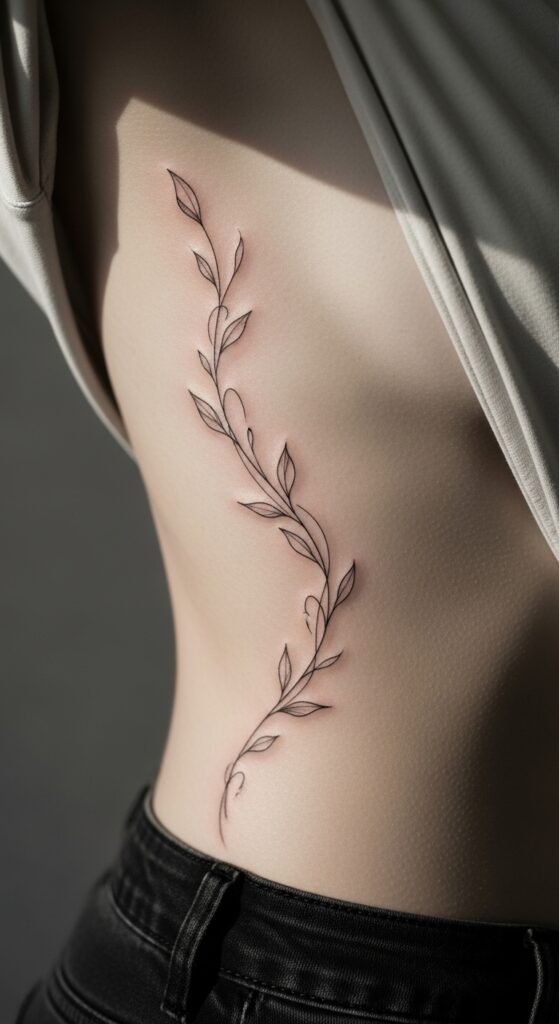
A rib vine follows natural curves closely. This placement feels personal and intimate. A thin vine keeps the look gentle and wearable.
The area can feel sensitive, so keeping the design short helps. Line-only work reduces time and discomfort.
This tattoo stays hidden under most clothing and shows only when you choose. Healing requires loose clothing and patience.
A rib vine works well for people who want something meaningful without daily visibility.
7. Back-of-Arm Vine Line
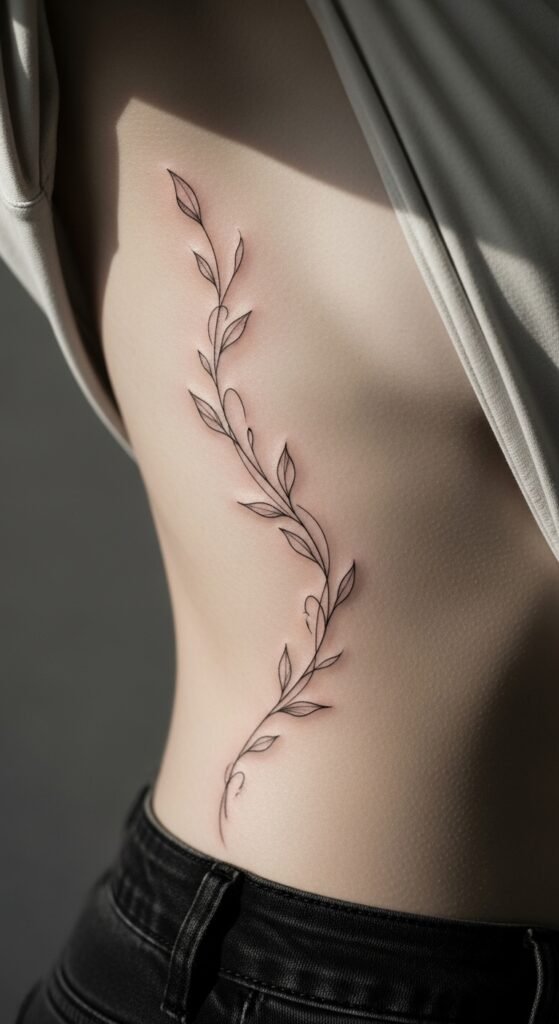
The back of the arm offers a smooth surface for a trailing vine. This spot keeps the tattoo subtle while still stylish.
Simple outlines reduce cost and help the design age well. The vine can stop mid-arm or extend slightly.
This area heals easily and avoids sun exposure most of the time.
8. Foot Arch Vine
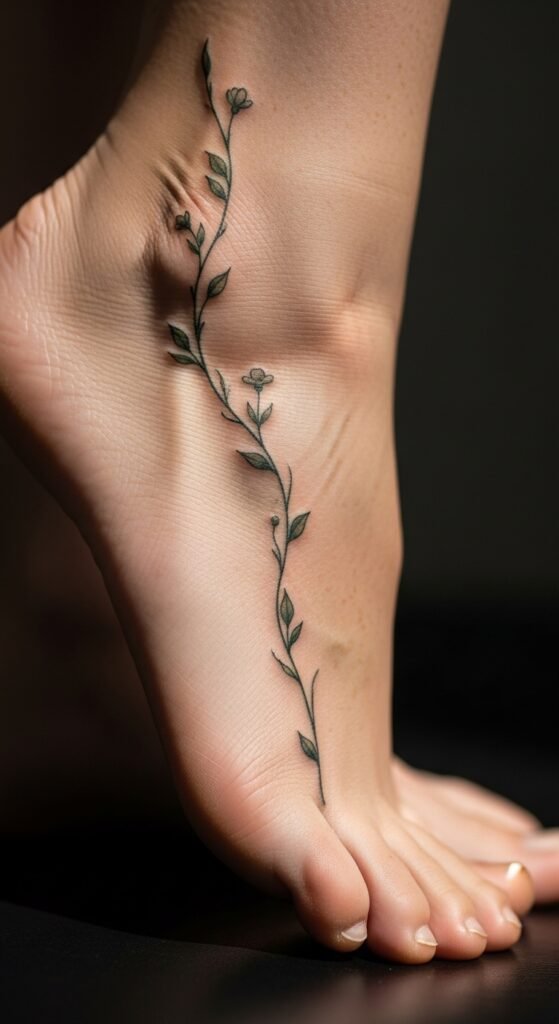
A foot arch vine feels light and artistic. Keep the design minimal since this area fades faster.
Short vines with few leaves work best. Proper aftercare is key.
9. Upper Thigh Vine Sweep
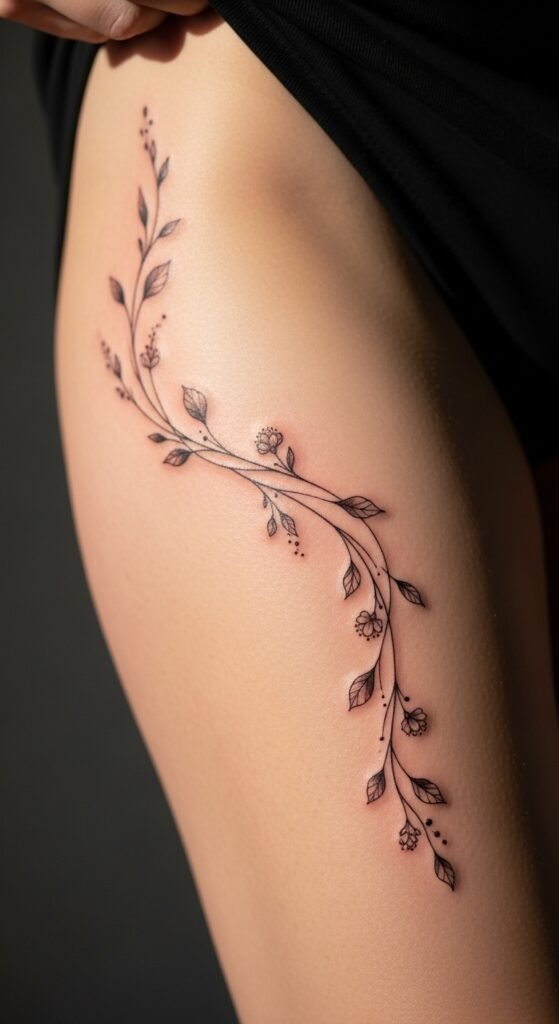
The upper thigh offers space and privacy. A vine here can curve naturally and stay hidden.
This area suits longer designs without rush.
10. Hip Vine Outline
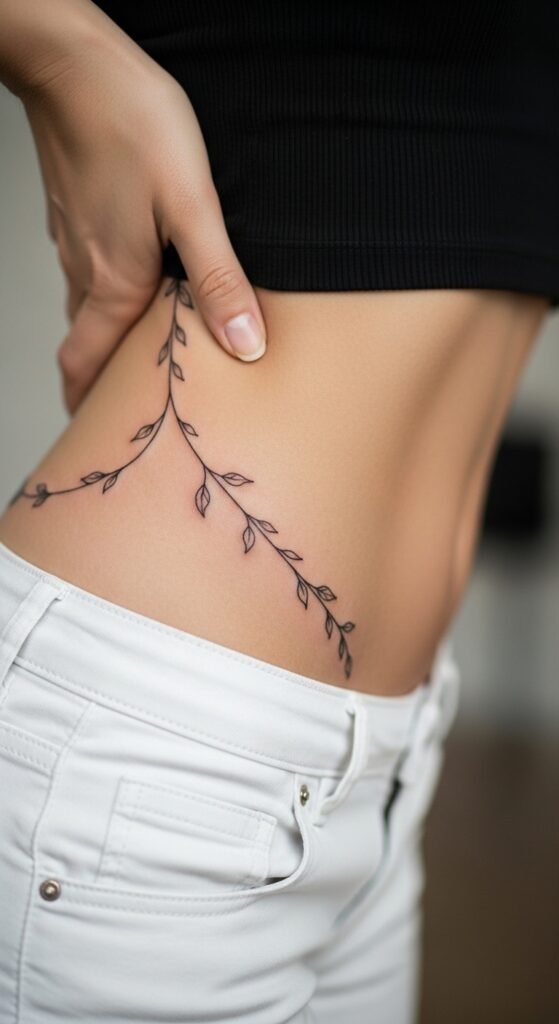
A hip vine sits comfortably along natural lines. Keep it slim for comfort and clarity.
11. Calf Vine Flow
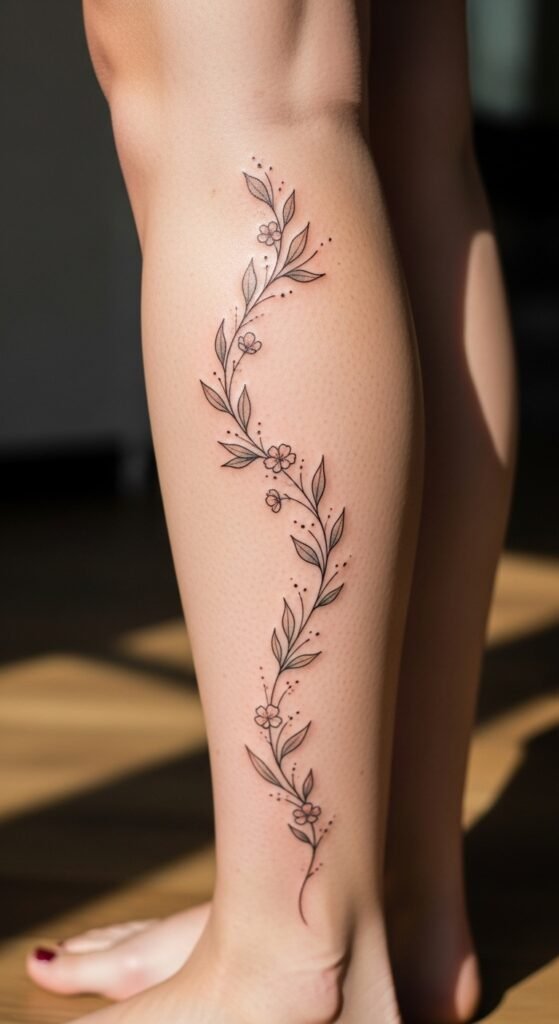
Calf vines move well with muscle shape. Vertical placement helps balance.
12. Behind-the-Ear Vine
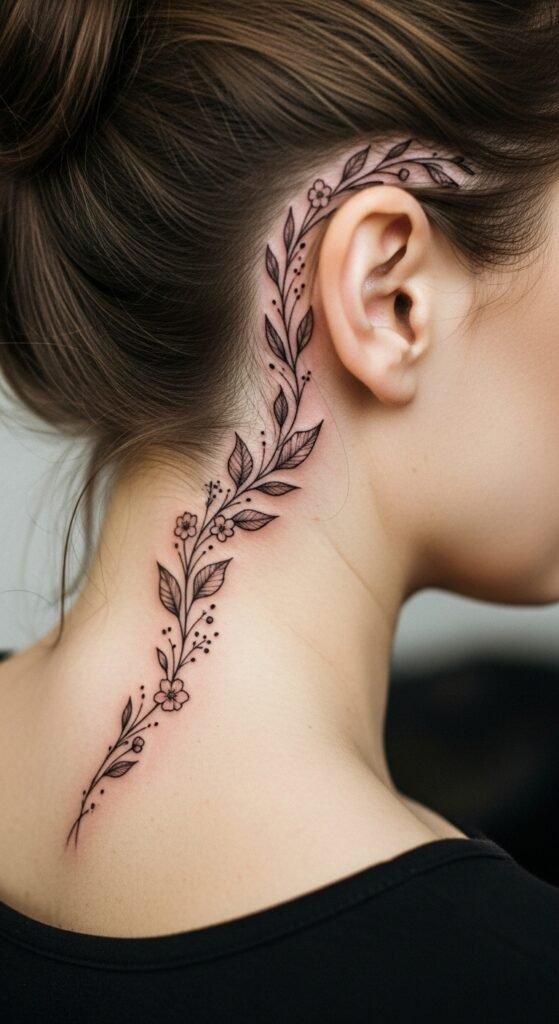
A tiny vine here stays subtle. Keep detail minimal for lasting clarity.
13. Neck Nape Vine
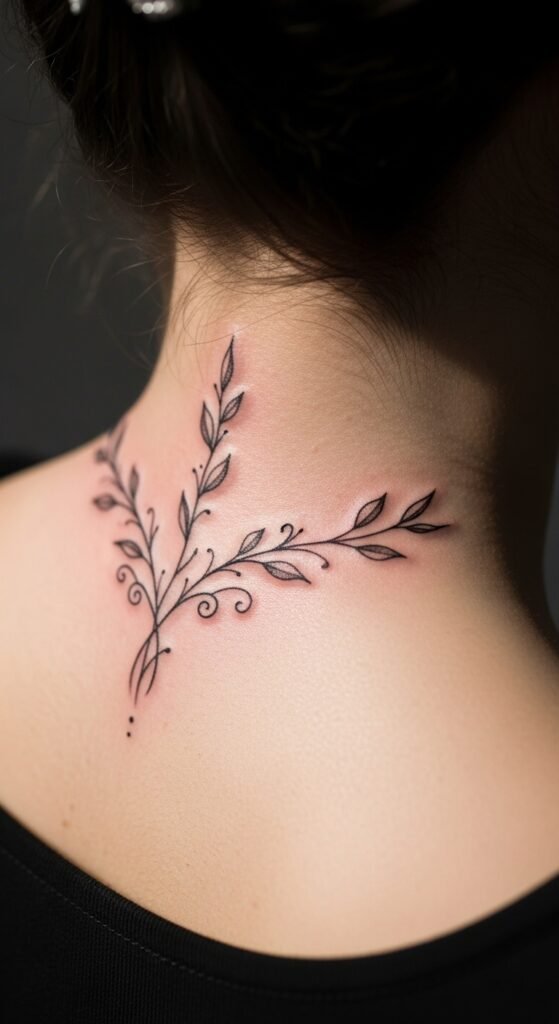
This spot feels personal and hidden. Slim lines work best.
14. Finger Vine Wrap
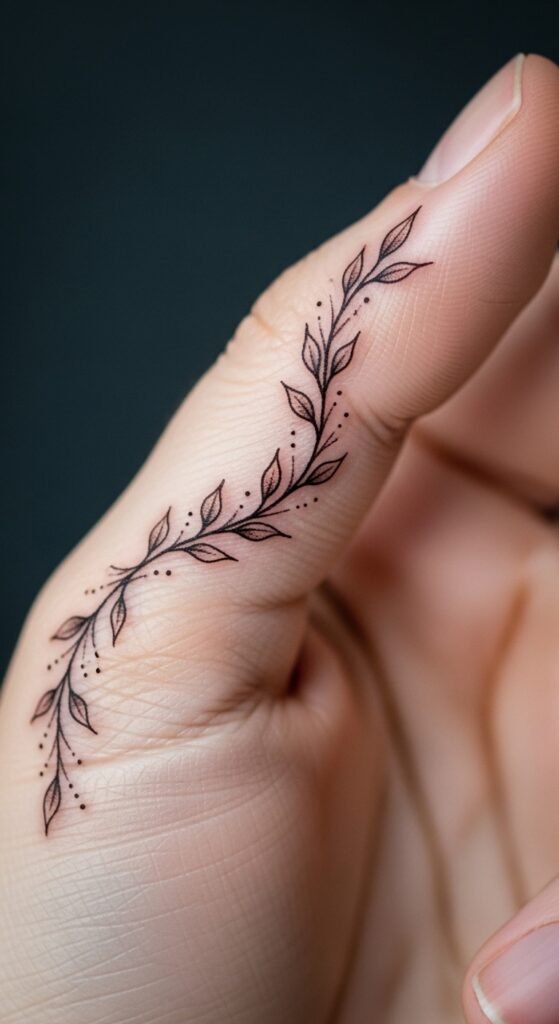
Finger vines look delicate but fade faster. Simple lines help.
15. Hand Side Vine
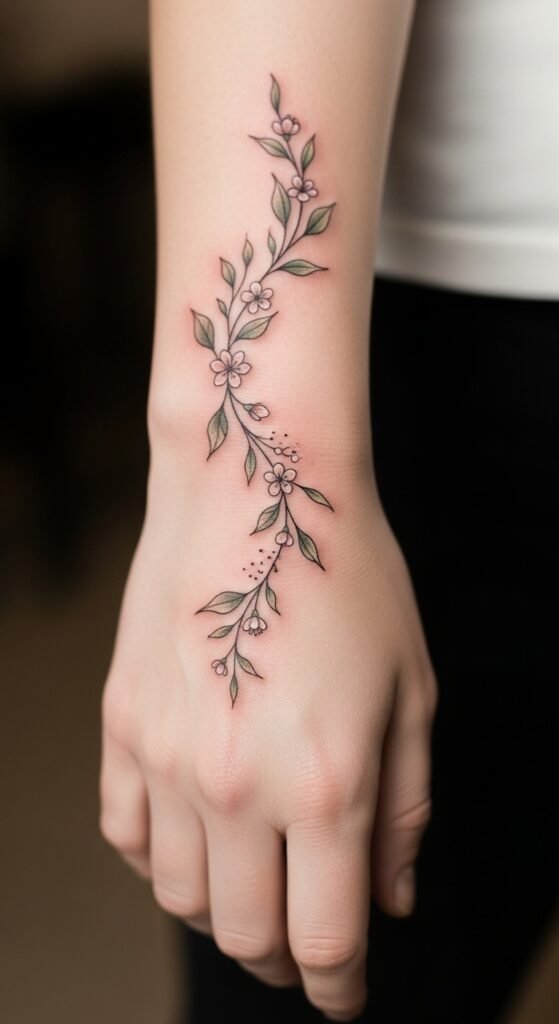
This area stays visible. Keep the design light.
16. Inner Arm Vine Trail
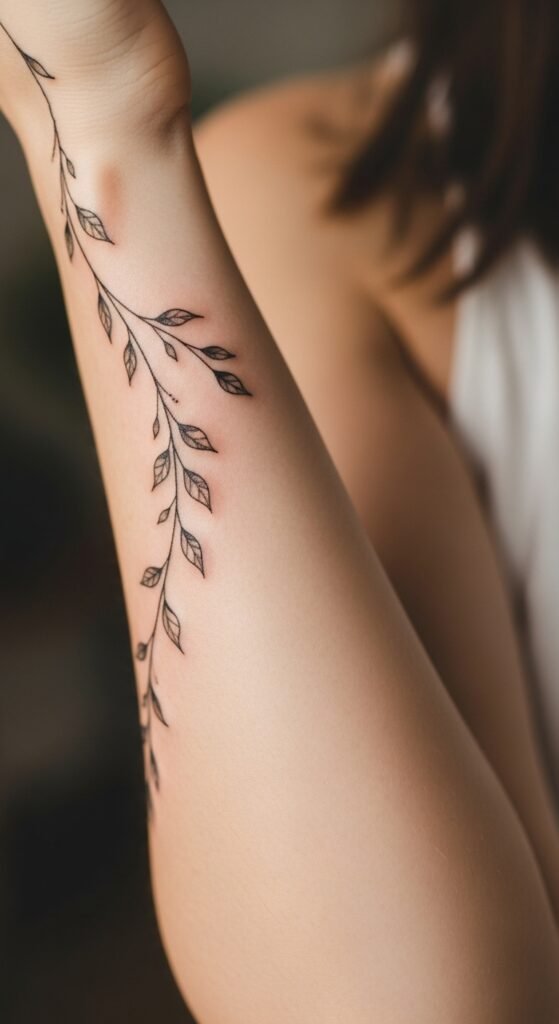
Inner arm vines feel calm and personal. Healing is easy here.
17. Shoulder Blade Vine
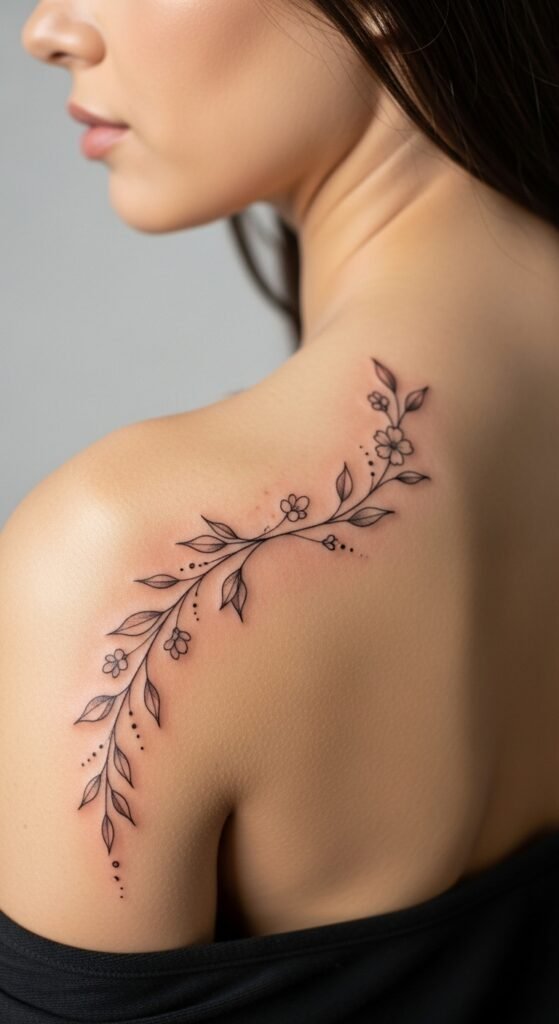
This spot allows gentle curves and easy coverage.
18. Side Neck Vine Line
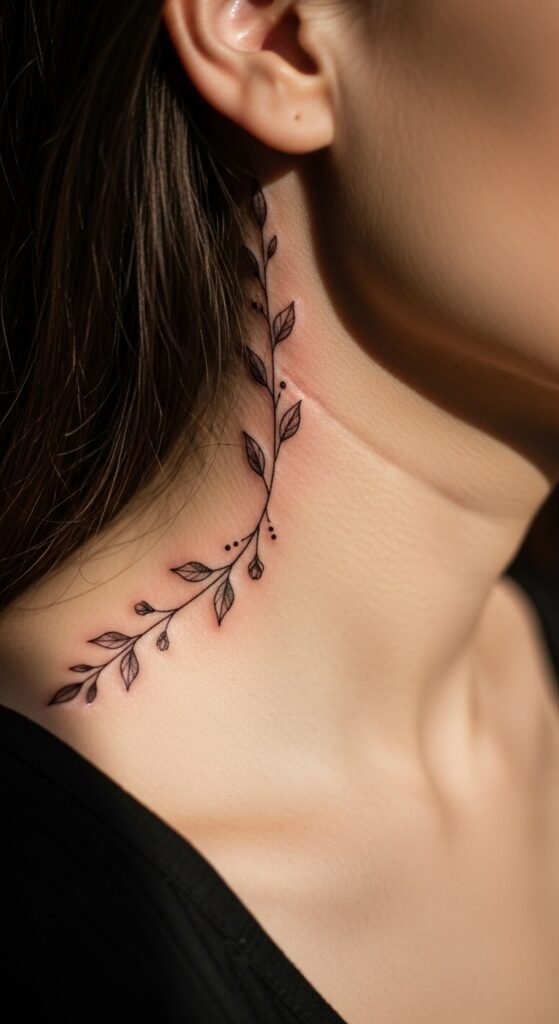
Side neck vines feel bold yet soft when done lightly.
19. Lower Back Vine Accent
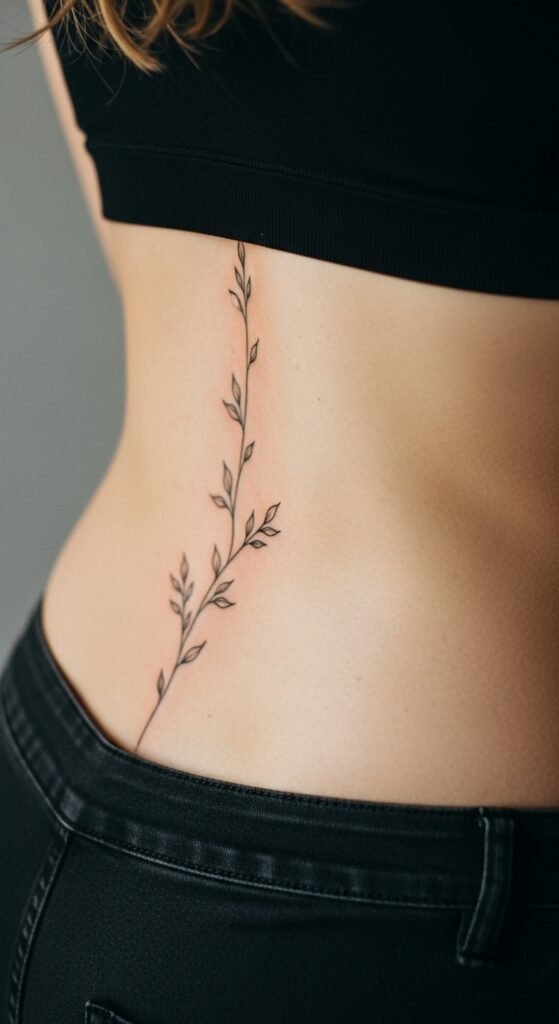
A small vine here stays hidden and balanced.
20. Elbow Curve Vine
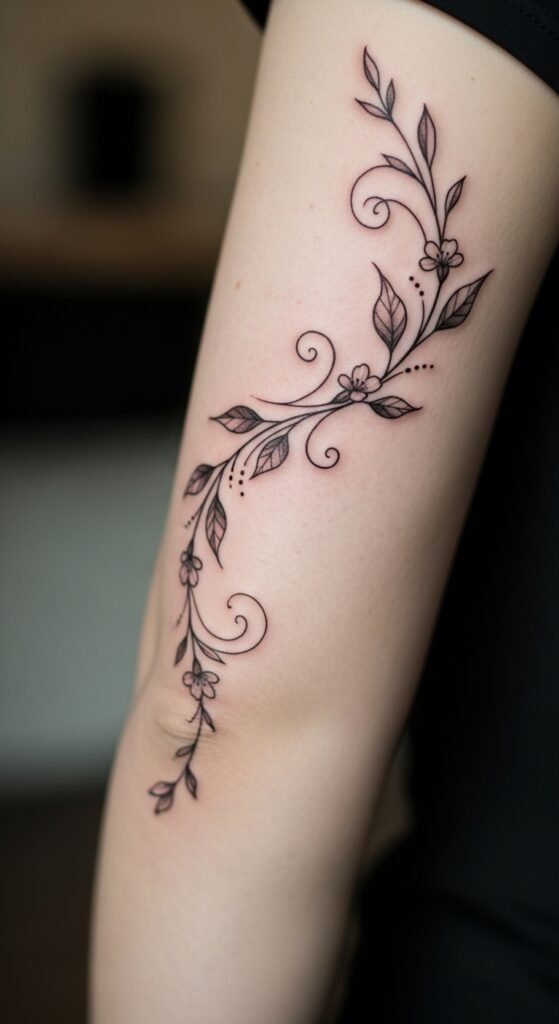
This spot requires spacing to avoid distortion.
21. Spine Vine Line
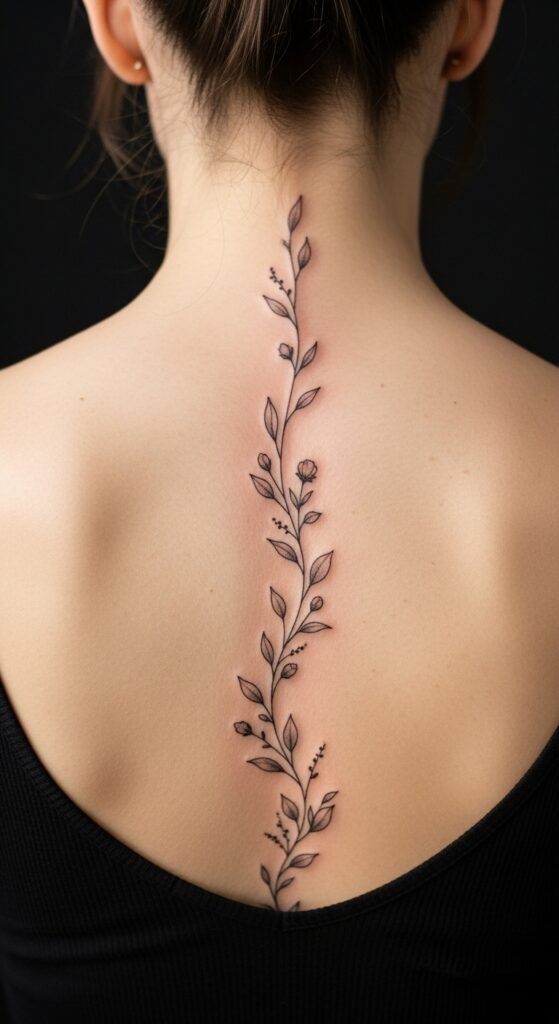
A spine vine feels symbolic and balanced. Keep it narrow.
22. Minimal Full-Length Vine
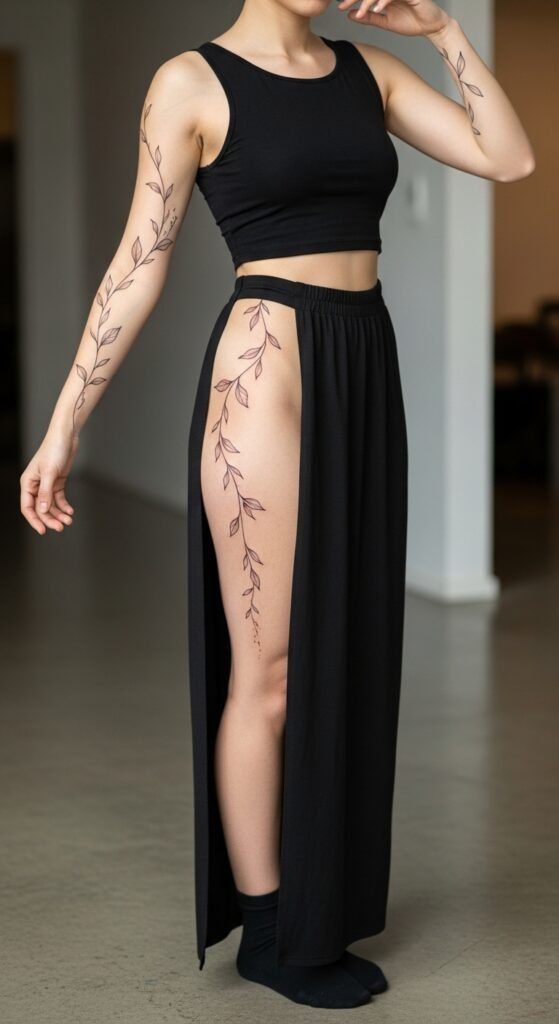
A full-length vine connects multiple areas smoothly. Planning helps control cost and pacing.
Conclusion
Graceful vine tattoos suit people who value movement, softness, and personal meaning without bold visuals. Their flowing lines follow the body naturally and adapt to many placements. With simple outlines and thoughtful spacing, these designs stay affordable and age well. If you’re planning one, start small, choose a spot that fits your routine, and work with an artist who respects clean linework. Save your favorite ideas, sketch them out, and take your time—vine tattoos reward patience.

Leave a Reply